Deer Wisdom
“My agreeableness is a gift of my animal nature.
It allows me to make peace when I could fight, to listen when I could argue, and to soften when I could stiffen.
The Deer teaches me that gentleness is not weakness—it is the quiet strength that holds the herd together.
Today, I choose to let the Deer remind me that kindness is a form of courage.
I am allowed to be fully, freely, and fiercely kind.”
Deer Behavior
The Deer moves through the world in quiet company. Does and their young travel together, grazing peacefully, always alert but rarely aggressive. When a Deer senses danger, it often freezes rather than fleeing, trusting that stillness and camouflage will protect it. Deer do not seek conflict. They yield to more aggressive animals, conserve their energy, and focus on what matters: finding food, raising fawns, staying safe.
Agreeableness
Agreeableness is the tendency to be cooperative, compassionate, and trusting. Agreeable people value harmony, avoid unnecessary conflict, and are quick to forgive. They make wonderful friends, partners, and teammates. The Deer teaches us that gentleness is a strength when it is chosen, not when it is the only option.
Reflect on Your Own “Animal Nature”
· Think of a time when your kindness helped resolve a conflict. What did you give up—and what did you gain?
· Do you ever say yes when you desperately want to say no? What would it feel like to set a boundary?
· Where did you learn that being nice is either a virtue or a liability?
· If the Deer could speak to you, what might it say about the courage to freeze—and the courage to run?
“The Deer does not fight the wolf—it outruns it, and lives to graze another day.”
What do you share with the Deer—and what might it teach you about your own animal nature?
The Natural World
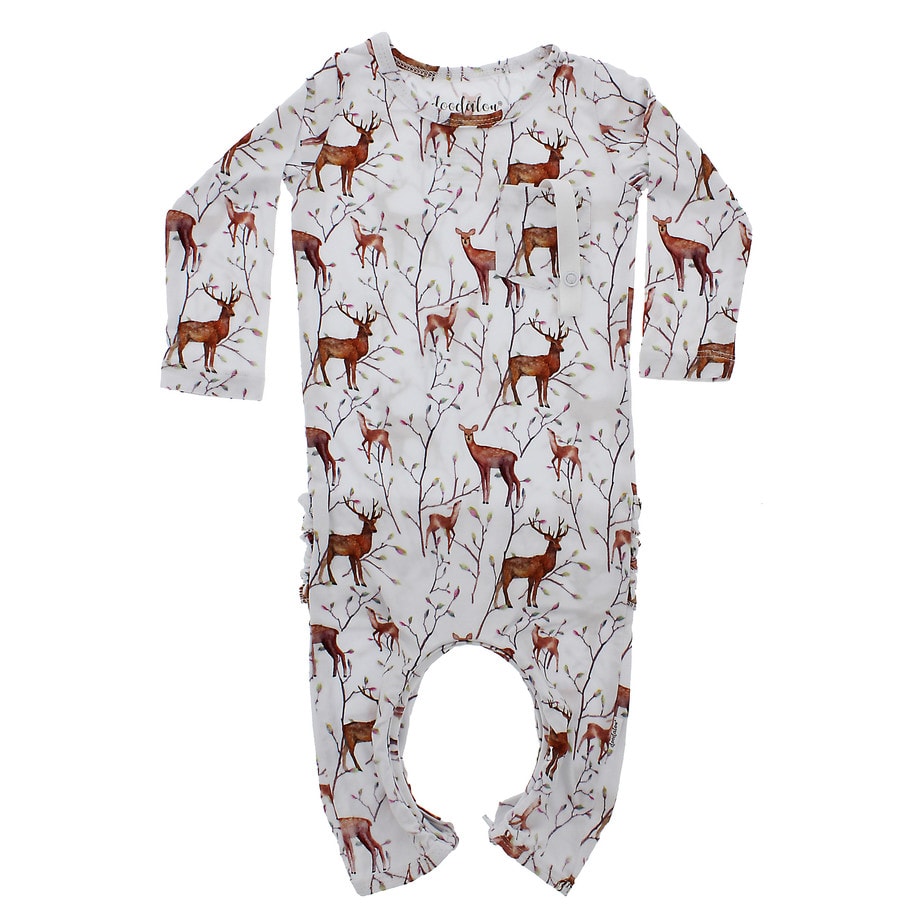
The deer seen in the image is the white‑tailed deer (Odocoileus virginianus), one of the most graceful and agreeable animals in North America. These gentle creatures live in forests, meadows, and even suburban backyards, from Canada to South America. They eat leaves, twigs, acorns, and berries, and they raise their spotted fawns in hidden nests among the ferns. White‑tailed deer are not endangered; in fact, they are abundant across most of their range, thanks to their adaptability and their peaceful, cooperative nature. You can help deer by driving carefully at dawn and dusk, avoiding feeding them (human food upsets their stomachs), and planting native shrubs that provide natural food and shelter. Protecting the Deer means protecting its right to wander gently, to raise its young in peace, and to remind us that kindness is always the wisest path.
TO LEARN MORE ABOUT THE DEER PERSONALITY, CHECK OUT OUR AGREEABLENESS PAGE!