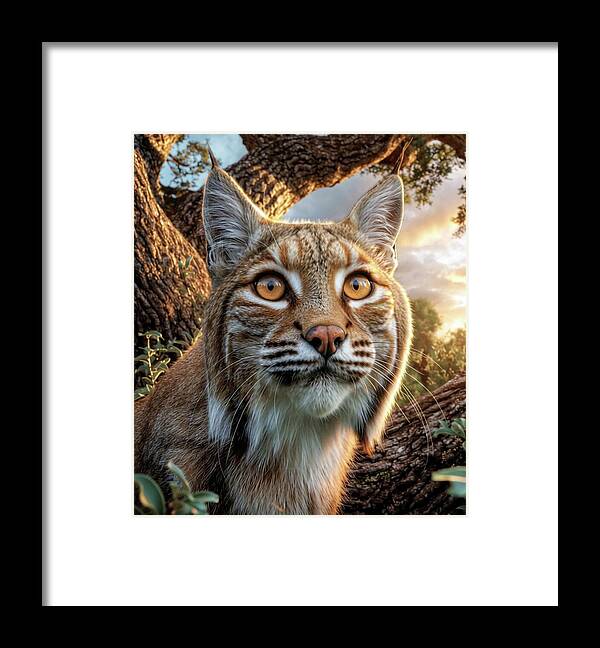
Bobcat Wisdom
“My introversion is a gift of my animal nature.
It allows me to find strength in solitude, clarity in quiet, and safety in my own company.
The Bobcat teaches me that being alone is not loneliness—it is a wise choice to recharge.
Today, I choose to let the Bobcat remind me that my quiet presence is powerful, not invisible.
I am allowed to be fully, freely, and fiercely myself.”
Bobcat Behavior
The Bobcat walks alone. It hunts alone, rests alone, and raises its kittens alone. It is most active when the world is quiet—at dusk and dawn—and it dens in rocky crevices or hollow logs where no one will disturb it. The Bobcat does not need a pack. It does not seek attention. Its success depends on patience, stealth, and the ability to disappear into the landscape. Yet even the Bobcat, when it is time, finds another bobcat. Solitude is its gift, not its punishment.
Introversion
Introversion is the preference for quiet, low‑stimulation environments. Introverts recharge by being alone; they listen more than they speak and prefer deep one‑on‑one connections over large groups. They are often thoughtful, observant, and wonderfully self‑sufficient. The Bobcat teaches us that solitude is not loneliness—it is a wise choice to protect our energy.
Reflect on Your Own “Animal Nature”
· Think of a time when your introversion felt like a strength. What did it allow you to see or do?
· Do you ever avoid connection when you actually long for it? What holds you back?
· Where did you learn that being quiet is either a virtue or a problem?
· If the Bobcat could speak to you, what might it say about the difference between solitude and hiding?
“The Bobcat moves through the forest unseen—but its tracks are everywhere.”
What do you share with the Bobcat—and what might it teach you about your own animal nature?
The Natural World
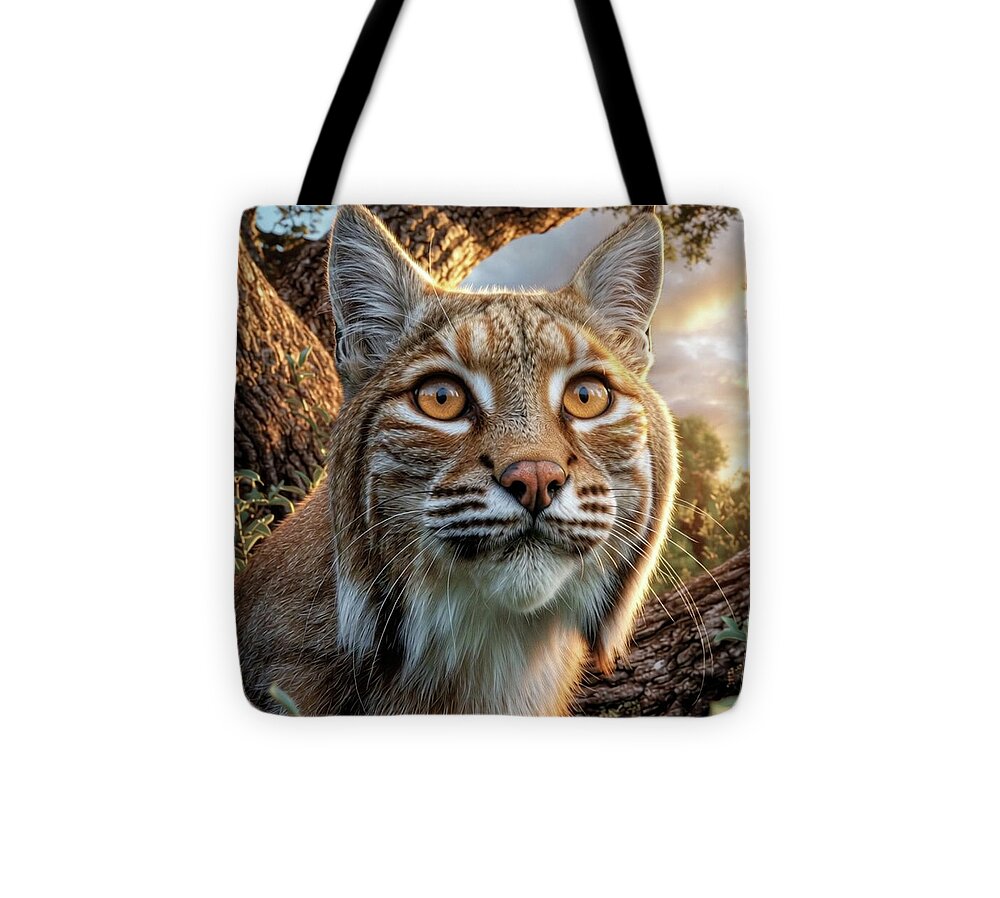
The bobcat seen in the image is the bobcat (Lynx rufus), the most common wild cat in North America. In the Santa Monica Mountains, bobcats live in chaparral, oak woodlands, and even suburban edges. They eat rabbits, rodents, birds, and sometimes deer fawns. Bobcats are not endangered, but they face serious threats here: rat poison (when they eat poisoned rodents), car strikes, and a deadly skin disease called notoedric mange, which is worse when cats are stressed by habitat fragmentation. Building wildlife crossings and using rodenticide alternatives can help bobcats stay healthy and wild.